

By Saheed Ibrahim
In August 1955, a 14-year-old Black boy named Emmett Till was brutally murdered in Mississippi, United States. His mother, Mamie Till-Mobley, made a decision that many considered unimaginable. She insisted on an open-casket funeral in Chicago so the public could witness the violence inflicted on her son.
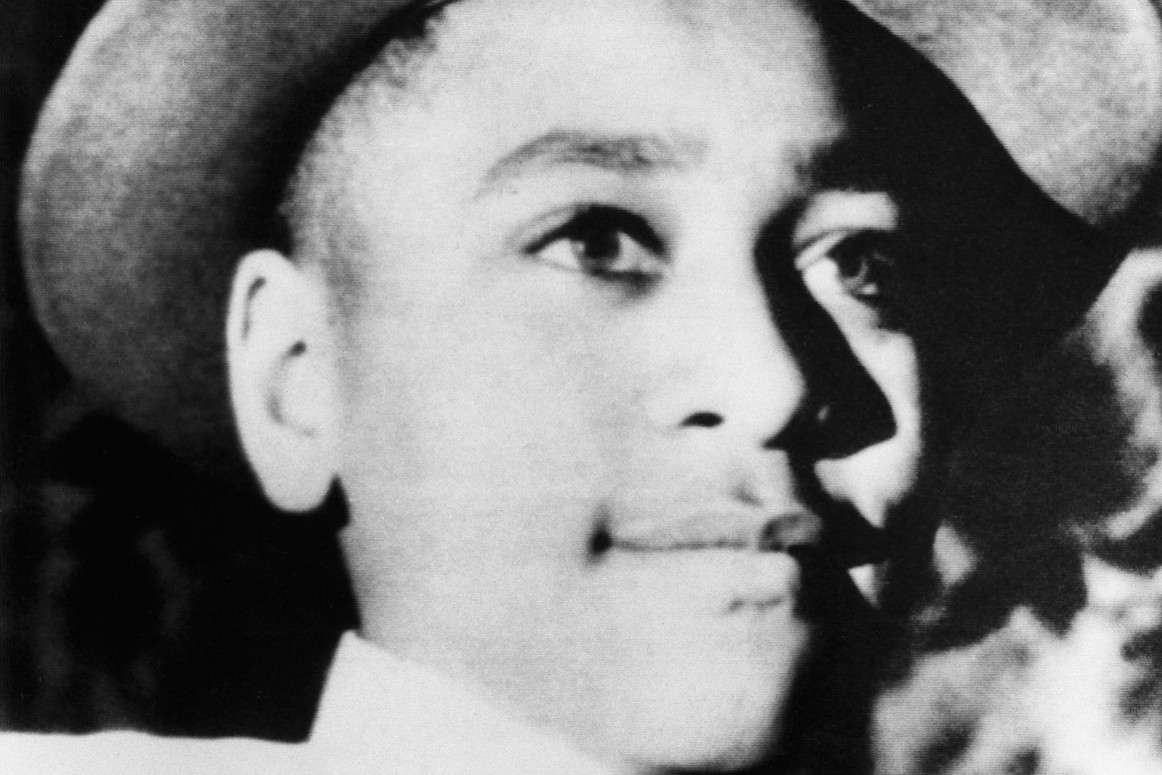
Emmett Till. Source: TIME
Photographs of Emmett’s mutilated body appeared in newspapers and magazines across America. They exposed the brutality of racial violence in a way that statistics, speeches and political debates never could. Historians widely regard that moment as one of the catalysts that galvanised the Civil Rights Movement.
Activists, including Rosa Parks and John Lewis, described his death as a profound influence on their commitment to the movement. His legacy is also reflected in the Emmett Till Antilynching Act, which made lynching a federal hate crime, and in the Emmett Till and Mamie Till-Mobley National Monument, established to preserve and interpret the history surrounding his life and his mother’s advocacy.
The murder was horrific.
But it was the story that changed history.
Stories Turn Issues into Human Experiences
Social change rarely begins with data. It begins when people care.
Statistics may tell us that thousands of children are out of school, millions live in poverty, or countless women experience violence. Those numbers are important, but they rarely move hearts on their own.
Stories do.
Stories introduce us to people rather than problems. They give names to numbers, faces to statistics and emotions to issues that might otherwise feel distant.
When people connect emotionally, they are more likely to pay attention, empathise and act.
Stories accomplish what reports often cannot.
They simplify complex issues without oversimplifying them. They help audiences understand why an issue matters and whom it affects. Most importantly, they make social problems impossible to ignore.
That is why some of the world’s most influential movements have been fuelled by stories.
The Civil Rights Movement found momentum in Emmett Till’s story. The global campaign for girls’ education gained renewed energy through Malala Yousafzai’s story.
The #MeToo campaign of 2017 is a typical example of a social movement driven by real-life stories, not just statistics. Before #MeToo, sexual harassment was often discussed through statistics, such as “1 in every 3 women…” The movement changed the narrative by providing a “human face” to the data.
In Nigeria, Fisayo Soyombo’s undercover investigations exposed bribery inside the police force and the prison system, prompting official responses. Umar Audu’s undercover report revealed how fake degrees from universities in the Benin Republic were being sold to Nigerians, a scandal that rattled institutions and forced a national action about credentialing and accountability. These were not just articles. They were records that power could not easily erase.
Stories do not replace evidence. They give evidence meaning.
Closer to Home
This lesson has shaped much of my own work as a development journalist.
When I reported Ejire, the objective was never to produce another article about disability. It was to help readers see a child whose struggle had remained invisible; locked behind a door, in a dark room, in a house where neighbours looked away.
The same applies when reporting on climate change, unsafe abortion among young people or sexual violence in schools.
Facts establish the problem. Stories help people understand what those facts mean in the lives of real human beings.
That is where change often begins.
Using Storytelling for Social Change
Whether you are a researcher, activist or development practitioner, storytelling should be more than an afterthought. It should be part of your strategy.
I have read countless reports by social change agents; they are more statistical than having human faces.
Here are a few principles worth remembering:
- Start with people, not the problem. Audiences connect with individuals before they connect with issues.
- Earn trust through accuracy: The most compelling stories remain truthful, ethical and well-researched.
- Show the impact: Rather than merely describing a challenge, illustrate how it affects everyday lives.
- Balance pain with possibility: Stories should expose problems, but they should also highlight resilience, solutions or opportunities for action.
- End with purpose: Every story should leave readers knowing why the issue matters and what they can do next.
Social change is not driven by awareness alone. It is driven by awareness that inspires action.
So, Can One Story Change History?
Not every story will.
But the right story, told truthfully, ethically and at the right moment, can change conversations, shape institutions, inspire movements and influence decisions for generations.
People may forget the numbers. They rarely forget the stories that made those numbers impossible to ignore.
Mamie Till-Mobley did not hold a press conference or release a statement. She opened a casket. That single decision changed history.
When you seek to change any issue or problem, start with the person whose life gives that issue its meaning.