
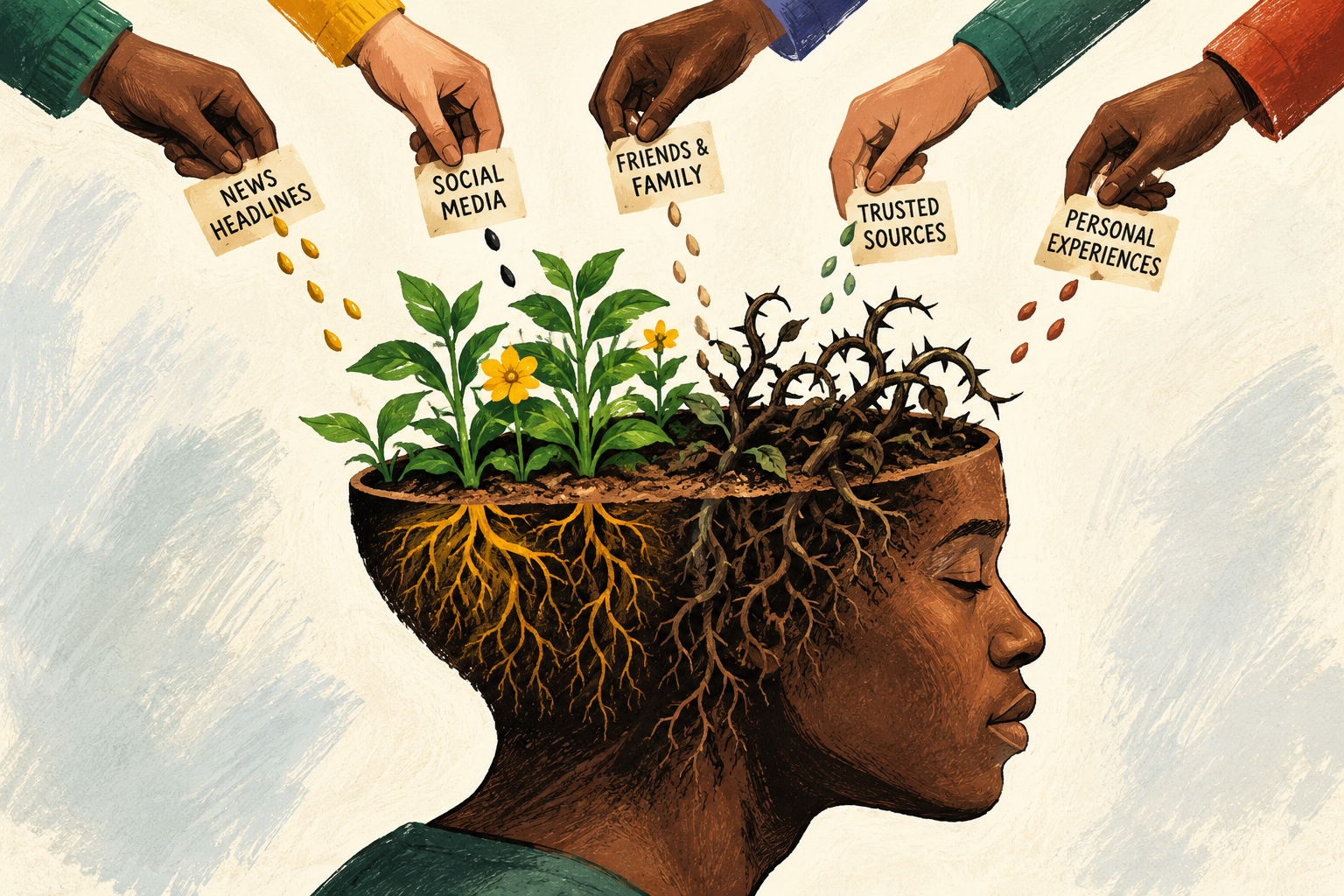
Misinformation: Do we really choose what to believe?
We may not consciously choose what we believe, but our beliefs are shaped by information, experience, trust and evidence. This has important implications for understanding and correcting misinformation.
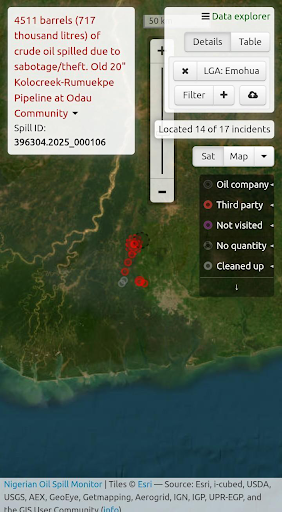
How Rumuekpe Residents Are Rebuilding Years After Oil Pollution
By Ifeyinwa Francis Friday Isiah was still young when oil pollution started affecting a community around Rumuekpe in Emohua Local Government Area of Rivers State. More than two decades later, the 33-year-old practising civil engineer still remembers what the…
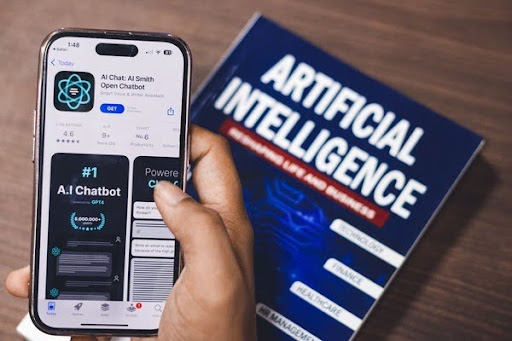
AI Is Making Fake Ads More Convincing. Here’s the Danger
Ifeyinwa Francis I remember being scammed online. I trusted what I saw. I believed the promise and parted with my money, only to discover the person behind the screen was a scammer who failed to fulfil his promise. The experience…
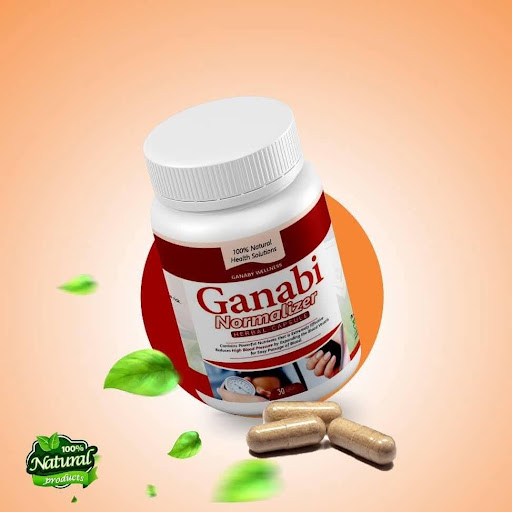
FALSE: Ganabi Normalizer cannot cure hypertension in 10 days
Ifeyinwa Francis Claim: A Facebook ad promoting Ganabi Normalizer claims that the product can cure hypertension within 10 days. Full Text Hypertension, commonly known as high blood pressure, is a chronic condition in which the force of blood against the…
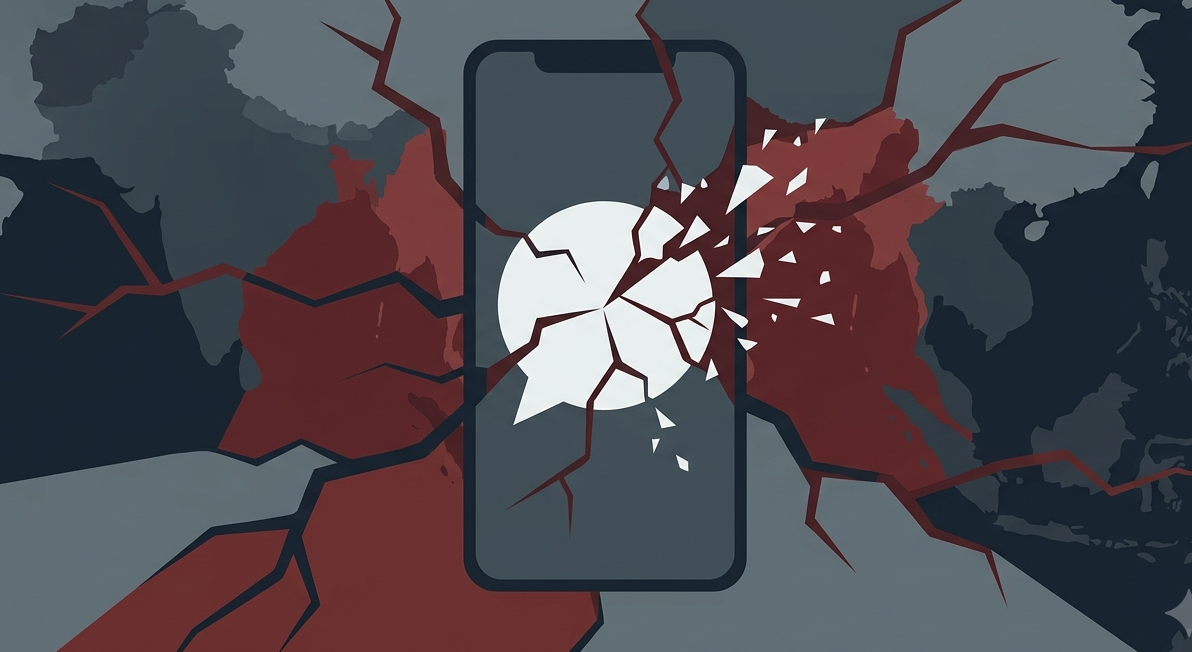
When misinformation becomes body count: Lessons from India and Myanmar
Fake WhatsApp messages in India and fabricated Facebook posts in Myanmar both led to real deaths. This piece breaks down how misinformation spreads, why framing beats facts, and what developing writers and platforms can learn from both cases.
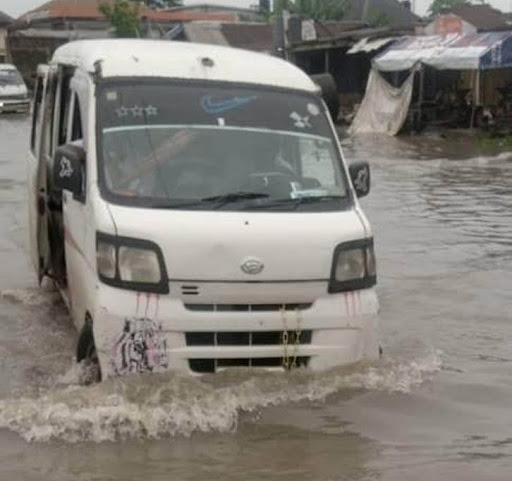
Despite billions in ecological funding, Oyigbo communities battle floods, silence
By Ifeyinwa Francis For residents of Oyigbo Local Government Area in Rivers State, home has become a place of fear. Incessant flooding, worsened by collapsed drainage systems, has reduced once-stable buildings to rubble and mud. Many buildings, once the pride…