

This article explores how beliefs are formed, why misinformation becomes believable, and how evidence, trust and better narratives can change beliefs
By Saheed Ibrahim
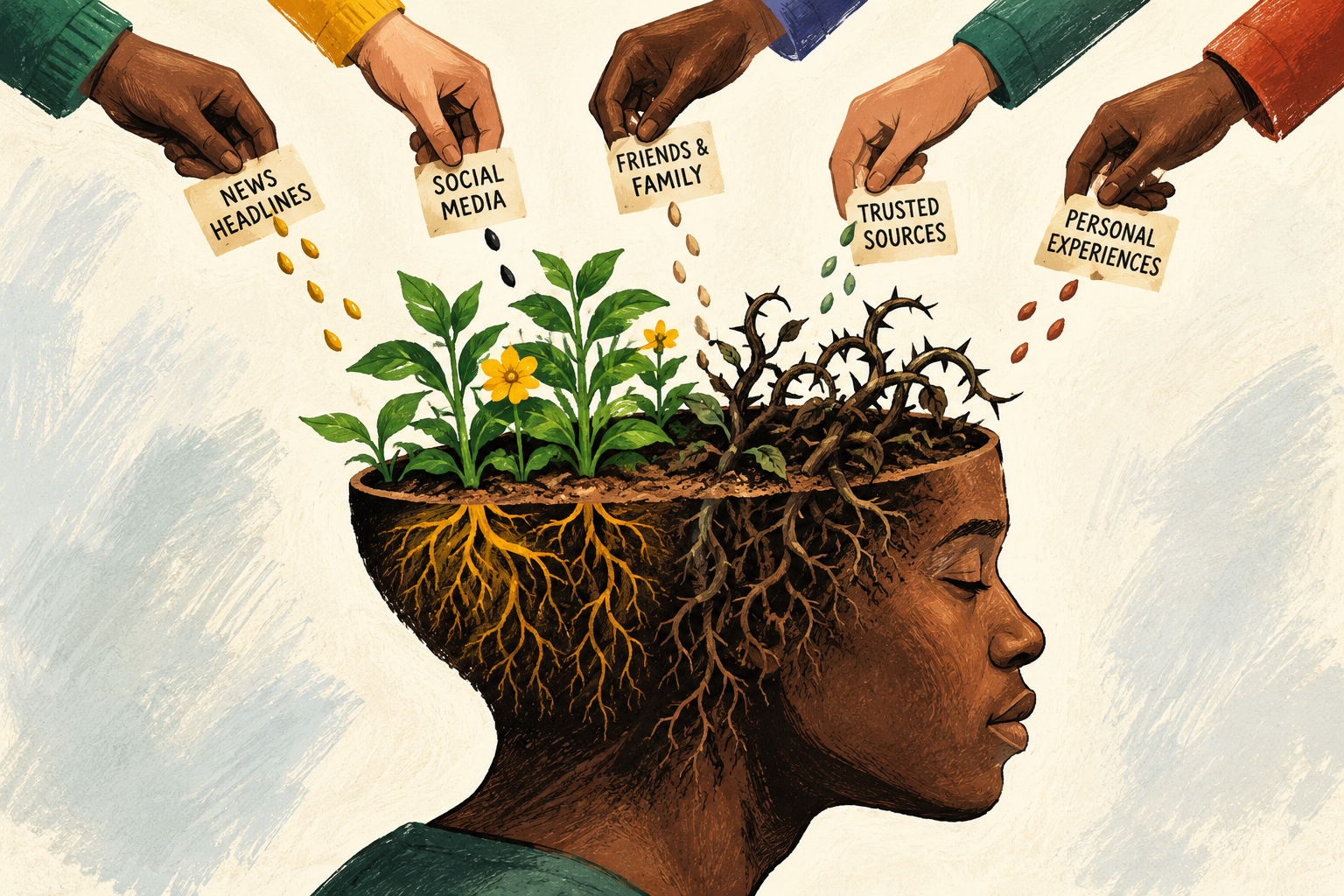
One idea in Steven Bartlett’s The Diary of a CEO that caught my attention is that people do not get to choose what they believe.
If someone tells you something is false, you can choose whether to listen. But you cannot simply command yourself to believe that it is false. Once your brain has accepted something as true, it becomes part of how you understand the world.
Bennett argues that changing a belief often requires more than telling someone, “You are wrong.” People are more likely to reconsider what they believe when they encounter credible evidence, personal experience or information they trust. Sometimes, introducing a more convincing explanation works better than attacking the existing one.
This has an important implication for misinformation.
When people encounter false information repeatedly, particularly through people or sources they trust, that information can become part of the evidence they use to make sense of reality.
And once a false claim becomes a belief, simply presenting a correction (fact-check) may not be enough.
This is why fighting misinformation is not only about producing facts. It is also about trust, evidence, experience and the stories through which people understand those facts.
Perhaps the more important question is not simply “Why do people believe misinformation?” It is:
“What made the misinformation believable in the first place, and what would make someone willing to believe something else?”
That is where correcting misinformation becomes much more complicated than simply saying, “This is false.”
How then should we correct misinformation?
First, there is a need to understand a belief before correcting it. Find out why the claim was believable in the first place. What narrative is embedded in the claim? Was it shared by someone the person trusts? Did it fit an existing fear or experience? Was there a gap in reliable information? Understanding the pathway into the belief helps determine how to respond.
Second, lead with credible evidence, not confrontation. Telling someone, “You are wrong” can make them defensive, particularly when the belief is connected to identity, experience or trust. A correction should clearly explain what is known, provide credible evidence and, where possible, show how the false claim arose. How the correction is delivered also matters: People are more likely to reconsider information when it comes from a source they consider credible. Imagine relaying a correction against a religious claim through a respected religious leader. The credibility of the source makes the correction believable.
Third, leave no vacuum after removing the false claim. If we simply tell people what is false without giving them a convincing alternative, the original narrative can remain the most available explanation. Effective correction should offer a clear and understandable account of what actually happened. In other words, replace the misleading story with a more credible one, rather than simply removing it. Amplifying credible information is a key way to achieve this.
Fourth, think beyond individuals. Misinformation is not only a problem of people believing the wrong thing. It is also a problem of information environments. Journalists, fact-checkers, educators, community leaders, platforms and organisations should create conditions in which accurate information is accessible, understandable and trusted before false narratives take hold. Correcting misinformation after it has become a belief is harder than building trust and reliable information pathways beforehand.